New Jersey Tech, Business, & Creative Resources

The Optical Sunset: Inside Microsoft’s Plan to Digitize Your Disc Collection

As Sony phases out PlayStation discs by 2028, Microsoft has its own quiet plan brewing to digitize your physical game and movie collection.
When Sony dropped the hammer and announced it would entirely phase out physical PlayStation game discs by January 2028, the collective sigh from game preservationists and collectors could be heard across the industry. It felt like the definitive end of an era. But if Sony’s announcement was the writing on the wall, Microsoft’s latest internal experiment is the sledgehammer coming for the wall itself.
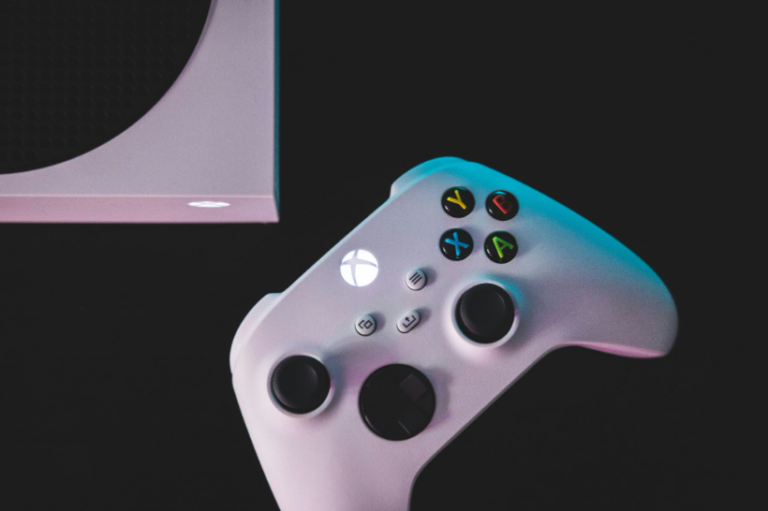
According to a leaked report from The Verge, Microsoft has quietly begun internal employee testing on a highly anticipated, long-rumored feature hidden inside the Xbox PC app code since May: “Disc2Digital.”
The premise is straightforward but deeply disruptive. If you own a physical Xbox One or Xbox Series X disc, you insert it into your console, install it, and the system grants your Microsoft account a temporary “digital entitlement.” Suddenly, that game operates just like a digital purchase. If it’s a part of the Xbox Play Anywhere initiative, you can instantly download and play it on your PC or a handheld device. If you have an active Xbox Game Pass subscription, you can stream it via Xbox Cloud Gaming without dedicating a single gigabyte of local storage to it.
On paper, it sounds like the ultimate bridge between the physical past and the digital future. But as someone who has covered the hardware and infrastructure shifts of this industry for two decades, I see this for what it truly is: an elegant off-ramp designed to strip the friction out of a completely disc-free next generation.
The Ghost of E3 2013
For those with long memories, this entire concept triggers a massive wave of déjà vu. Back in 2013, when Microsoft originally unveiled the Xbox One, they attempted to mandate a remarkably similar digital licensing ecosystem. The idea was that physical discs would merely act as installation data, tethered to your cloud account, allowing family sharing and digital lending.
The execution, however, was a masterclass in public relations disaster. The messaging was murky, the “always-online” requirements felt Orwellian to consumers, and the backlash was so fierce that Microsoft was forced into a humiliating retreat. Sony capitalized on that blunder beautifully, famously releasing a satirical video on “how to share games on PS4” by simply handing a physical disc to a friend. That single marketing war won Sony the eighth console generation before it even started.
Thirteen years later, the landscape has fundamentally inverted. The consumer pushback that protected physical media in 2013 has largely evaporated, thoroughly eroded by the convenience of high-speed broadband and subscription models.
The numbers tell the story. According to retail analytics firm Circana, physical disc sales in the US sputtered at just $1.5 billion, while total global game content revenue scaled to a staggering $195.6 billion. Physical media isn’t just dying; it has been relegated to a rounding error. Sony even noted in its recent transparency reports that physical distribution accounted for a measly 3% of PlayStation’s broader revenue.
How Disc2Digital Actually Works (and the Catch)
The engineering behind Microsoft’s new program addresses the primary hurdle of digital conversion: preventing people from generating infinite free copies.
The digital entitlement remains strictly bound to the physical DNA of that specific disc. If you convert your physical copy of a game to digital, enjoy it for a month, and then sell the disc to a local shop or lend it to a friend, you lose the digital license. The moment that disc spins up inside a different Xbox console under a different Microsoft account, the digital entitlement migrates to the new user.
It’s an incredibly clever bit of DRM (Digital Rights Management), but it does come with legacy limitations:
- The Generation Gap: It only works for Xbox One and Xbox Series X titles. Legacy Xbox 360 and original Xbox physical discs will not be supported under this program.
- Manufacturing Variations: Internal testers have noted that certain early-run Xbox One discs are throwing up compatibility errors due to how the data was stamped onto the physical media years ago.
- Multi-disc and Bundles: The system is built to recognize multi-disc epics and console-bundled titles, automatically rolling up any physical DLC vouchers attached to the disc structure into your digital profile.
The Next-Gen Trajectory
Why is Microsoft building this infrastructure now? Because the countdown to the next console cycle has begun. Rumors have swirled for over a year regarding Microsoft’s next-generation hardware platform, codenamed Project Helix.
If Microsoft launches a flagship console that lacks an optical disc drive entirely, they run the risk of alienating their most loyal, long-term consumers—the collectors who have spent thousands of dollars building physical libraries over the last decade. Telling those users that their libraries are dead on arrival is a fast track to ecosystem defection.
Disc2Digital is the safety net. It ensures that when Microsoft finally pulls the plug on the disc drive, your physical shelf isn’t rendered obsolete. You can buy the sleek, digital-only next-gen box, keep your physical collection in a storage bin, and still retain access to your library.
We are watching the final, tactical moves of a chess game that started over a decade ago. The optical drive is on life support, and Microsoft just designed the machine that will comfortably switch it off.
For a deeper dive into how this transition is impacting the gaming community, you can watch this detailed video discussion on the end of PlayStation discs which covers the community reaction and industry timelines leading up to the 2028 cutoff.